
 As a society, social media impacts our daily lives in ways that we could have never imagined five years ago. 81 percent of family lawyers confirmed an increase in cases using social networking evidence in the last 5 years. Social networking sites like Facebook, Youtube and Twitter are fast becoming a constant source of alternative news for Internet users, and also becoming a channel in which users can direct the focus of national news media.
Twitter has become known for breaking news ahead of traditional media. Users were practically tweeting about the 2011 D.C. earthquake as it was happening. Users in New York City were seeing tweets about the quake appear in their streams half a minute before they even felt it; talk about predictive tweeting. Social media is breaking the news first, and it’s just as often part of the story, touching our lives and shaping our memories.

The media attention received by the east coast quake was tremendous compared to the attention west coast quakes (which are often bigger) receive. This photo was tweeted as an example of the “devastation” the D.C. earthquake caused.
Mashable writer Sam Laird discussed Why Social Media Will Reshape the 2012 Olympics, and brings up some great examples of how social media impacts world events today:
“Just looking at the three most ubiquitous social networks reveals a sporting scene and world at large that have been transformed by social media since the last Summer Olympics. And that doesn’t take into account services like Pinterest, Foursquare and Google+ — none of which even existed in 2008. This summer, expect news to break, social sharing records to fall and moments to live on as never possible before thanks to social media. And to think — this will all pale in comparison to what 2016 has in store.”
Users who aren’t enjoying the rapid reporting of Facebook and Twitter are crying foul. In February a simple Internet filter glitch allowed thousands of Chinese Citizens to flood President Obama’s Google+ wall. Chinese Internet users are subject to some very strict government Internet filtering. Usually Google + is banned or at very least, difficult to access. When a glitch allowed the users to get through the firewalls, many went straight to President Obama’s social media profiles to tell him how they felt.
Many of the messages read “The Chinese GOV doesn’t represent the Chinese people!” and “Please pay more attention to Chinese civil rights, I hope that you will win the coming election.”
Networks like Facebook and Twitter give citizens a sounding board to be heard by the rest of the world. The chatter is often just noise, but when large groups of users join together for a common cause, it makes world news. Sometimes, it even changes the world itself.
Egypt Elections
Even if you previously knew very little about Egypt, chances are you learned a lot about their elections if you’re on social media. Voters posted images of their inked fingers on social media sites like Twitter and Instagram and they used hashtags like #EgyPresElex and #Egyelections to share and spread the word. Many were voting for the first time and their excitement could be felt across the world. First there was a revolt and then there was an election. Social media has brought the events of Egypt into the homes and lives of people all across the world.
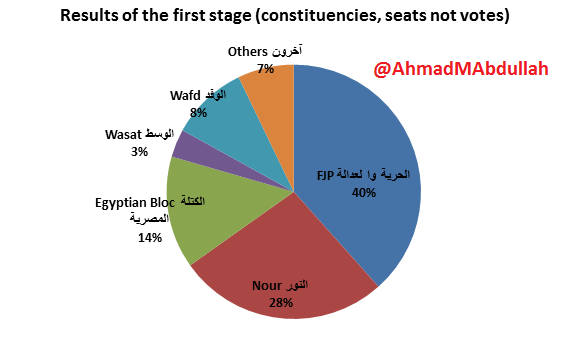
Voters were updated throughout the election, only exacerbating public interest.
It was truly an amazing piece of history as Egyptians won the right for the first time in 7,000 years to democratically elect their president. People uploaded pictures of their favorite candidate during the elections and since public opinion was split on the issue, many chose to rebel, to post pictures of those who had been hurt or killed in the uprising and then some chose to do nothing at all, which in itself was taking a stance on the issue.
Some Tweets read:
#Egypt‘s new first lady and predecessor have both seen their husbands and sons detained in Egyptian prisons
#Egypt forget Morsi, forget Shafiq, it’s time to rebuild your country, enough time wasted
With a military written constitution, it doesn’t matter who’s the president.
A lot of ex-Tantawi lovers don’t love Tantawi any more because they think he sold out Shafiq. #Egypt
Revolution in Iran
Speaking of revolutions, following the 2009 Iranian Presidential Elections there were extensive protests disputing the vistory of Mahmoud Ahmadinejad. Known as the “Green Revolution”, supporters of opposition rallied around the world, using Twitter as a base of operations. 36 people were confirmed dead after the protests as police suppressed both peaceful and violent protests using less-than-leathal weaponry and batons. Iranian authorities responded to the protests by closing universities, blocking websites, banning assembly and blocking cell phone transmissions.
Dubbed with the hashtag #Iranrevolution, the Internet banded together to change their location to Tehran so the government would not trace the journalists and the citizens who were tweeting updates from Iran.
Hundreds of thousands of people across the globe backed the Iran revolution by retweeting and sharing reports and news stories, changing their avatar to green in support of The Green Movement and changing their locations on social media to throw off the government going after those who opposed.
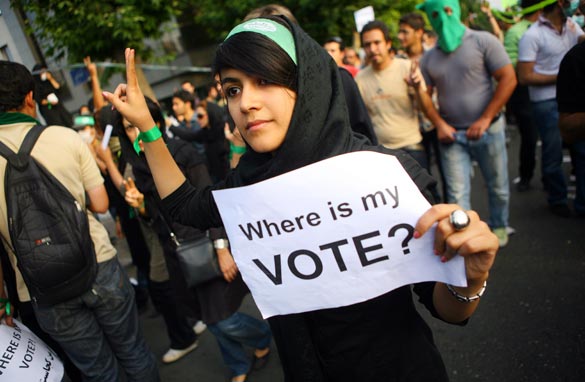
Despite the public display of support for the freedom movement, the Obama administration was hesitant to get involved, and officials in Iran have been accused of altering election results.
The anniversary of Iran’s first revolution is one of the most important days in the Iranian political calendar. The government warns against protesters and goes on full alter to ensure everyone stays “in check” but when people feel so strongly about something, they will always find a way to speak their peace.
“All week, Twitter avatars, Facebook mugshots, websites and blogs have been going green in solidarity with Iranians protesting the results of last week’s presidential election, in which incumbent Mahmoud Ahmadinejad has claimed victory,” says a report in STL Today.
Thousands of users changed their profile pictures in support of the Iran revolution movement. Popular Twitter users who abstained were berated by their followers for not switching.
It was a fantastic day to spread awareness as people all over social media asked “Why is your avatar green?” When witnessed, it’s the kind of thing you remember for a lifetime. It’s far more vivid than anything you will read in a history book and even those not from the area feel a strong connection via social media.
Arab Spring
The Arab Spring (which means literally the Arabic Rebellion or the Arab Revolution) is a revolutionary wave of demonstrations and protests occurring in the Arab world that began on 18 December 2010. The revolt to date has removed rulers from power in Egypt, Yemen, Libya and Tunisia. Bahrain and Syria have seen civil uprising as a result and there have also been major uprisings in Algeria, Iraq, Jordan, Kuwait and Morocco as well as smaller revolts and classes in many other areas and territories.
Activists used technology and social media to share ideas and tactics. Of course, there is some debate over just how much social media played a role in the facilitation of change. One thing that is for certain is that social media helped make these issues known to the world and not just to the regions that were facing these situations. It has brought the events to life in a way that would not have been possible before.
Invisible Children Spur support w/ KONY 2012
This brings us to another topic that would have likely gone with little publicity were it not for the Internet and social media. The on-going Kony 2012 campaign is a clear example. It has succeeded in making the African warlord Joseph Kony famous and gained the support of many well known celebrities. However, some still argue that the Kony Campaign leaves out the backstory, and therefore gets many people on board who aren’t aware of all the facts.
Then there are those who claim the whole thing is a scam. Regardless of which side of the fence you are on, one thing is certain; from the time it first appeared on YouTube until it became a viral social media sensation, the Kony Campaign is one clear example of the amazing power of social networking and how it can create situations that are even larger than the people backing them.
Supporters are being asked to make a difference in their own hometowns and share it via social media with the hashtags #KONY2012 #SERVICE #[YOURCITY].
Spur Support for LGBT Rights
If there is one way in which people of our time will relate social media to a cultural shift, it will likely be the vocalization of support for LGBT rights. Whichever side you are on when it comes to gay marriage, you can guarantee there is someone who will disagree with you on Facebook. There have been dozens of small wins for the LGBT community that were amplified through social media in the last five years. The most vocal users of social media are often progressive supporters of the movement.
It all came to a head during an interview with Vice President Joe Biden on Meet the Press. Biden admitted that his views on Gay marriage had changed over the course of his term. The public admission gave the LGBT movement the motivation to bear down on administration, culminating in Barack Obama’s own proclamation of support. Many opponents accused Obama of orchestrating the whole thing, but either way he had become the first U.S. President to support gay marriage. Along with the mainstream media’s account of the administration’s flip flop on the marriage issue, we were bombarded with public opinion, mostly supportive, of the change in sentiment.
When Oreo came out to support LGBT rights with their rainbow cookie on Facebook, many fans would flood their wall in support of the message while others chose to boycott Oreos in protest and disagreement. The status update contained a brightly colored version of the famous Oreo with the caption “Proudly support love!” and “June 25/Pride”.
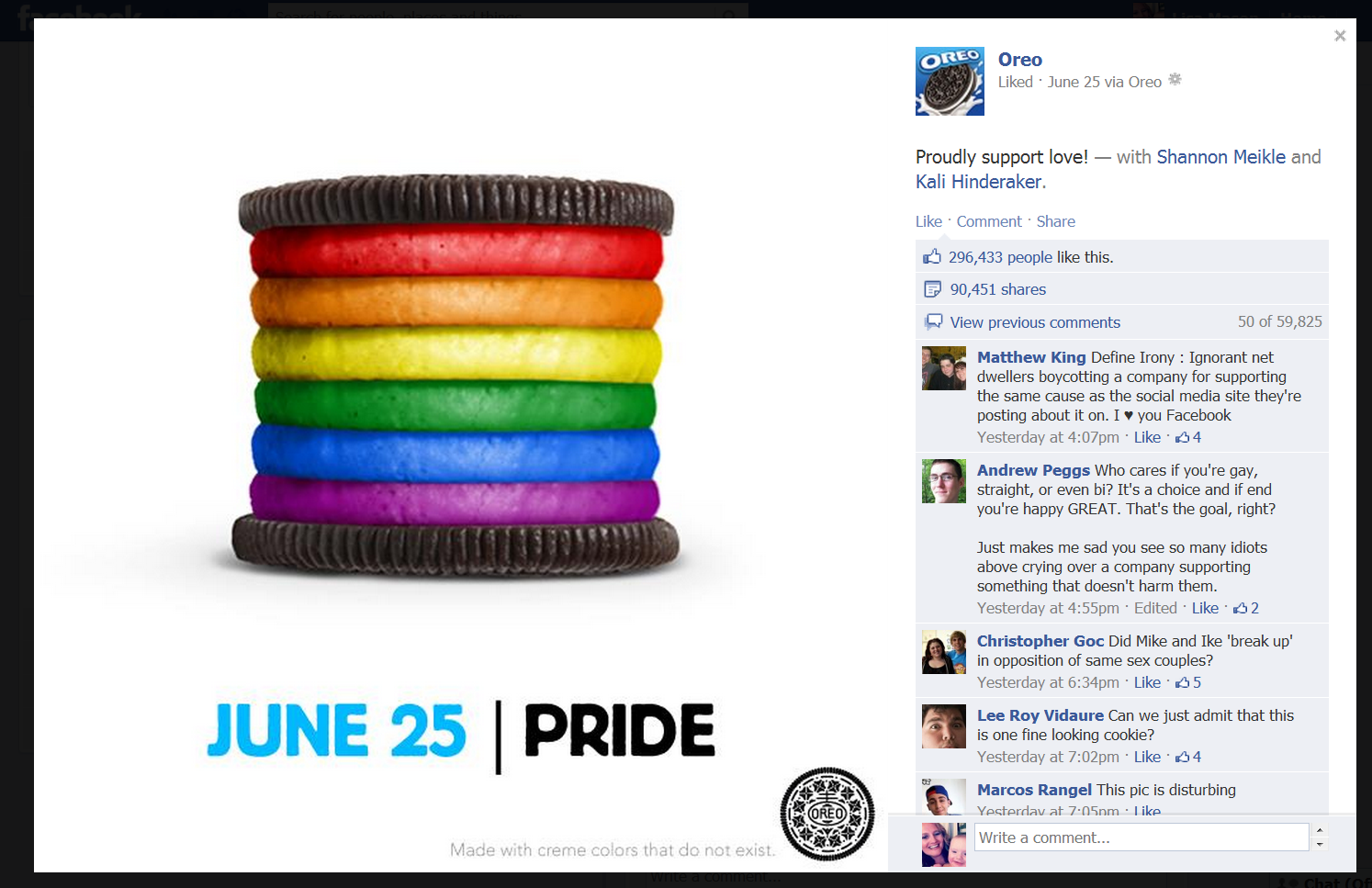
The Oreo Pride campaign was polarizing, drawing ire from critics, and overwhelming support from others.
While some of the 26 million Facebook fans of Oreo would boycott the cookie and the company behind it, they continued to back their original premise with the cookie. A Kraft Foods rep issued this in a statement over the ad:
“As a company, Kraft Foods has a proud history of celebrating diversity and inclusiveness. We feel the OREO ad is a fun reflection of our values.”
However you feel about the issues, Oreo got a huge response out of this one. What are some other examples you have seen of brands or organizations using social media to create awareness or support of LGBT rights?
Trayvon Martin Shooting
Many Americans were shocked by the explosion of racial tension sparked by the shooting of a young black male, Trayvon Martin, who was shot dead by George Zimmerman in Sanford, Florida. Community members accused Zimmerman, who was part of the neighborhood watch at the time, of racial profiling that was exacerbated by Trayvon Martin’s dark hooded sweatshirt. The case did not garner national news coverage until social media users brought it to the attention of potential supporters on Facebook, YouTube, and Twitter. Social media users showed their support for Martin by posting pictures of themselves in hoodies, causing national news organizations to give it more attention.
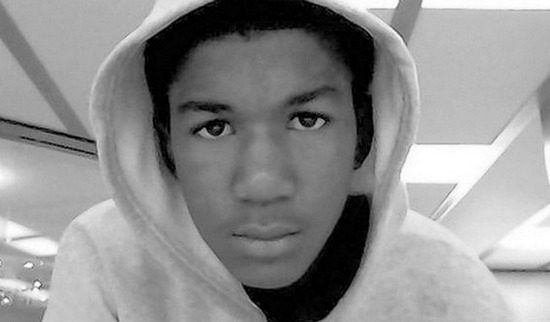
This now iconic image of a hooded Trayvon Martin became a symbol for supporters calling for George Zimmerman’s arrest.
After the fatal shooting of Trayvon Martin, the subject of hoodies would cross the fashion genre and become a political one. It became a symbol and a way to show solidarity and support for Trayvon, others like him and a symbol of racial equality in America. The case brought Florida’s controversial “Stand your ground” law to the forefront of the discussion, causing other states to question the popularity their own laws.
Thousands of demonstrators have been protesting the 17-year-old’s death by wearing hoodies like the one Trayvon wore the night he was killed. Thousands more people have taken to social media to share and Tweet photos of themselves in hoodies and still others changed their profile pictures to that of Trayvon’s black and white image in support. Widespread public support eventually pressured the District Attorney’s office to charge George Zimmerman with second-degree murder. It has also caused Florida legislators to review their own laws regarding self defense, particularly the controversial “stand your ground” law.
As we can see from examples like these, social media is shaping the way information is transmitted to the public. It also impacts how we remember these events, and in some cases become a huge part of the stories itself. As smart phones become even more ubiquitous and people in oppressed countries find ways to access news sources that aren’t state controlled, it’s likely we will only continue to see social media directing world events, building awareness and breaking news. It’s the voice of the people, speaking to the people. Everyone is now a reporter, and that’s an empowering feeling when the pen is mightier than the sword. Social media will continue to impact society, and when all the variables are optimum, will change the world from time to time with public sentiment as a driving force.

- WordPress vs. Blogger: Which is Best? - February 4, 2025
- Instagram for Business - January 4, 2024
- Privacy Settings in Social Media - June 20, 2021
- Seven Premium Social Media Tracking and Analytics Tools - January 26, 2021
- Social Media College Degrees and Courses - July 3, 2019
- Get the Most Out of Your Content By Optimizing for Success - May 29, 2019
- Impact of Social Media on Society: 5 Times Social Changed the World - February 17, 2019
- The Power of Social Media for Bloggers - September 17, 2013
Outstanding post
I know social media has changed the way I interact with others and handle my job as a freelance writer. I can’t imagine living without it now.
Wow Lisa! I must say you have done a very well research and written a Great article!
Now you can even pin images from a blog post! Awesome impact 🙂
“It’s the voice of the people, speaking to the people.” Well said. This is really a great article. I’m most impressed with the organizing and reporting power of social media.
One thing that’s come to my attention recently (and I’d like to learn more about) is the potential “dark side” of social media for organized action. For example: are protestors more at risk of being found and disciplined if they’ve posted about their activity online? Just as social media help causes plan organized movements, does it also help opposition better prepare to know what’s coming? Many directions to take the conversation from here, but this is a great piece.
Jeff
soshallwebe.com
Thanks Jeff! I appreciate you stopping by and that just might make another great article topic. I do know that people have used the Internet to organize crimes such as flash mobs to hit stores and similar offenses. And you are correct, it could also help the opposition prepare for things to come. Even secret organizations could get “moles” that infiltrate their borders. Great discussion starters.
Interesting article, I wonder what’s next? Think Twitter can predict US President?
I remember the days of seeing a news item that sounded interesting advertised for the local 6 o’clock news.I would sit through everything I didn’t care about to hear them say at the end of the broadcast, “We’ve run out of time, so we’ve pushed (that story they’ve been telling you about all day) to our 10 o’clock broadcast.” Arghh! Now if I hear about something I want to know about, I just google it and see new items, photos, videos, and live reports anytime I want them. I have even canceled my cable subscription.
Isn’t it amazing how much things have changed in such a short period of time, Chuck? Thanks for stopping by and reading. Always appreciate you.
This is a great article Lisa. We as citizens have felt unheard for so long, and now we are able to take advantage of social media to get our voices heard by those who are in charge. This is a beautiful thing and I see more and more people joining together for different causes via social media to make changes!
Thanks Lisa, I appreciate you and I agree! Have you participated in any causes yourself through social media? Even if they were not big ones like these.